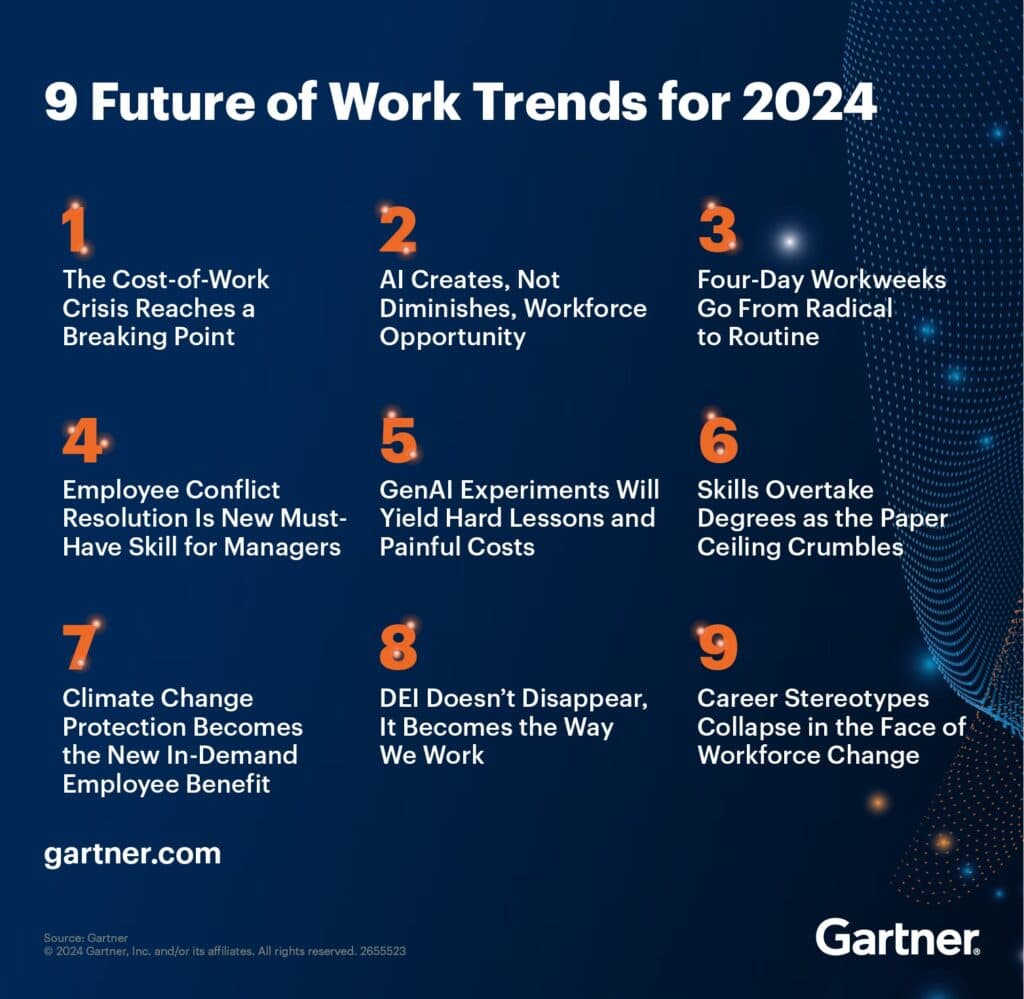
The Way The World Works Is Evolving- What's Driving It In 2026/27
The Top Ten Urban Lifestyle Trends That Will Redesign Cities Around The World By 2026/27Humanity has always had cities website as its most complex and significant invention. They are a place where people, ideas concerns, challenges, and potential in ways that no other form that humans have ever lived in can achieve. The urban space of 2026/27 is formed by a variety which are simultaneously stimulating and challenging: climate change is causing fundamental changes in the way that cities are constructed and run, technology providing fresh ways to manage urban complexity, shifting patterns of mobility and work change the way that people use city spaces, and a rising need for cities that work better for those who live there rather than only people passing around or investing money into their development. These are the top ten urban living trends that will transform cities around the world in 2026/27.
1. The fifteen-minute City Concept Gains Practical TractionThe notion that city life should be designed so it is possible for residents to have everything they need on a daily basis working, school, shopping, healthcare and green space, as also as the social infrastructure, is accessible within 15 minutes of walking or cycling distance from home. It has moved from the theory of urban planning into practicable policy in a growing amount of urban areas. Paris is the most frequently cited instance, however variations of this idea are being implemented throughout Europe, Latin America, and even in parts of Asia. The critics have expressed concern about the potential for these designs to hinder movement, but the concept behind them, designing cities based on human-scale and daily life, and not vehicle dependence, is growing into genuine mainstream traction.
2. Housing Affordability Drives Bold Policy ExperimentsThe housing affordability crisis affecting major cities across the globe has reached a point of extremeness that demands policy solutions that are that are more radical than those seen in recent decades. Zoning reforms, density bonuses and compulsory affordable housing requirements as well as land value taxation Social housing construction on a scale as well as restrictions on the short-term rental market are being used in a variety of combinations as cities search for approaches that have the potential to significantly change the dial. No single solution has proven to be effective in all cases, and the political economy of reforming housing is still debated. The realization that staying in the dark is no more a viable option is resultant in a lot of policy experimentation, which, with time has begun to yield results.
3. Green Infrastructure Becomes Core Urban DesignUrban greening has evolved from a thoughtless cosmetic feature to an essential element of how cities plan to ensure climate resilience, public health, and liveability. Tree canopy growth, green roofs and walls, urban pocket parks, wetlands and the daylighting of waterways that are buried are all being integrated into urban design at levels that reflect the multiple functions green infrastructure is serving. It helps to reduce the urban heat island effect as well as manages stormwater, improves air quality, increases biodiversity and creates tangible improvements in mental and physical health of urban people. Cities that made investments in green infrastructure a decade ago are already showing results that are driving adoption elsewhere.
4. Urban Mobility Transforms Around Active And Shared TransportThe private car's dominance of urban space is being challenged more severely than at any previous point. Cycling infrastructure is rapidly growing and in many cities of Europe as well as in many other regions. E-bikes have been crucial components and a major source of mobility for a number of cities. Public transport investments are growing as a result of both climate commitments and the recognition that car-dependent cities are unable to function effectively in the midst of the density urban growth demands. This transformation is uneven and often contested, but the direction is certain: cities are gradually reclaiming space from private vehicles and then distributing it towards people with active travel and alternative modes of mobility that are shared.
5. Mixed-Use Development Replacing Single-Use ZoningThe legacy of twentieth century urban design, which had a rigid distinction between residential industrial, commercial, and different land uses, is slowly changing in cities after cities. Mixed-use development, combining housing, work spaces as well as retail, hospitality and community amenities in the similar neighbourhoods and structures produces more vibrant, walkable and economically stable urban environments. The change has been accelerated due to the decline in the demand for offices with single-use facilities and monocultures of retail following shifts in shopping and working habits. Former business districts are being redefined as mixed neighborhood areas, and development is being needed to accommodate a variety of different uses right from the start.
6. Smart City Technology Matures Into Practical ApplicationsThe smart city concept was for decades generating more excitement than result, with ambitious sensor network and platform for data struggling to deliver tangible improvements to the quality of life in cities. The maturation of the technology and a more pragmatic approach to deployment are yielding higher-quality and beneficial applications. Intelligent traffic management which reduces emissions and congestion. Predictive maintenance systems designed to tackle infrastructure issues before they lead to problems, real-time air quality monitoring that provides public health interventions as well as digital platforms that facilitate access to city services offer tangible value for cities that have implemented them thoughtfully.
7. Urban Food Production Scales UpGrowing food within cities has moved from rooftop hobby into a key component to the food and drink strategy of some of the most innovative municipalities. Vertical farms employing controlled environment agriculture yield lush greens and plants in warehouses converted to specifically designed facilities using a fraction of that amount of land and water required to grow conventionally. Community gardens and school gardens as well as urban orchards play educational and social purposes in addition to food production. The proportion of city's food intake that could realistically be met by urban production remains apprehensible, but the direction for development towards shorter supply chains, better food security, and stronger connections between urban residents and food systems, is obvious.
8. Inclusive Design Takes Over The Urban AgendaThe principle that cities must be designed and constructed to function to all residents, including those with disabilities, elderly children, as well as people with limited resources is getting more attention in urban planning circles. Age-friendly city frameworks standard for universal design of public spaces and transportation, co-design processes that involve minorities in shaping their surroundings, and affordability requirements that prevent the displacement of long-term residents from upgrading areas are being studied more closely. The recognition that any city that only serves the well-to-do, young and the wealthy fails the majority the population it serves is leading to greater inclusion in city planning and governance.
9. The Business of the Night Time Gets SmarterCities are paying closer focus on what happens after the darkness. The night-time economy, encompassing hospitality, entertainment arts and cultural venues, as well as those who help enable cities to function overnight has significant economic but also a significant cultural asset that's historically been poorly managed. Dedicated night mayors or night-time economy commissioners are now in place in cities ranging from Amsterdam to Melbourne they represent the interests of night-time businesses and residents alike, as well as mediating tensions and creating policy which encourages a bustling nocturnal city without making life intolerable for people who need to sleep. The framework is proving exportable and increasingly powerful.
10. The notion of community And Belonging Drive Urban RenewalBehind the technological and physical factors of urbanization, there is an essential social challenge. Most city dwellers and residents, particularly in the rapidly changing urban environment suffer from a deep disconnect with those around them. The growing body of urban practice is focused on building communities' social infrastructures, community centers marketplaces, libraries, shared spaces and thoughtful programming that allows for authentic human connections in urban spaces. The most successful urban renewal programs of the current era are those that combine improving the physical environment with a steady spending on community building considering that a neighborhood is ultimately constituted by its relationships more than its buildings.
Cities will always be the primary arena in which the greatest challenges to humanity are faced and its most important opportunities are seized. The above trends don't describe a utopia, and many of the changes they reflect are not fully understood, debated, and unevenly distributed across different urban settings. They do indicate cities that are, in an increasing number of areas, becoming more liveable and sustainable. They are also more genuinely accommodating to the requirements of the people who reside there. For additional insight, browse a few of these respected detroitbrief.com/ to find out more.
 The Top 10 Real Estate Changes Shaping The Housing Market In 2026
The property market has always been a reliable gauge for broader social and financial situations, indicating changes in the ways people reside, work and allocate their money more efficiently than virtually any other area. The property market of 2026/27 will be shaped and shaped by unique set of factors: persistent effects of interest rate cycle, which reshaped affordability across most major markets and the ongoing evolution of how people make use of their homes and workplaces, climate pressures have begun to affect how and where property gets valued, and technology that has changed the way real estate is traded, managed and developed. Here are ten of the real estate trends shaping the property market for 2026/27.
1. The Challenge of Affordability remains. In most MarketsIn the last few years, housing affordability is reaching high levels in a many major cities and is a huge concern outside of some expensive urban markets. The result of years which have seen a shortage relative to population growth, the current interest-rate environment of the first half of 2020 that pushed the mortgage market significantly higher, as well as construction and land costs that have risen faster than incomes in many markets has created a situation that homeownership is now feasible for a shrinking proportion of the populace in the places that the most people want to live. Policy responses are growing and intensifying, but the fundamental gap between supply and demand in highly sought-after locations is not an issue that will disappear quickly regardless of any policy goals put into it.
2. Remote Work is Changing The Place People Decide To LiveThe continuous availability of remote and hybrid working for large proportions of the workforce with knowledge has led to a permanent shift in preference for locations that continues to take place in the market for property. Secondary cities, commuter town that have good transportation links, but substantially lower property costs, as well as rural areas offering access to space and high quality of life in a way that urbanization can't provide all profit from the demand which would have been primarily in the main employment centers. The effect is not uniform and is largely dependent on sector, role level, and employer policy, but its impact on demand patterns within the urban cores as well as in surrounding regions is measurable and constant.
3. The Build-to Rent Business Develops into a Major Asset ClassThe institutional capital invested in purpose-built rental housing has risen dramatically and has led to a professionalisation of the rental sector across a range of sectors that is changing renting in a profound way. Building-to-rent developments are managed by professionals along with amenities, flexible lease terms, as well as a regularity of standards that the private landlord market, which is fragmented, has always struggled to meet. The stable long-term returns of residential rental properties have proved attractive. For renters renting, the sector is more reliable and provides better service however questions of affordability and the displacement of small landlords whose property tends to come at a lower price that institutional options are valid concerns.
4. Sustainability and Energy Efficiency have become Aspects of Valuation that MatterThe energy performance of a property is increasingly an essential element of its market value instead of being a secondary factor. A rise in energy prices has made the cost of running between efficient and inefficient homes to be a significant financial factor for buyers and renters. In addition, increasingly stringent minimum energy efficiency requirements for rental homes are forcing investing in retrofitting, or potentially threatening those with assets that are already in decline. Mortgage products offering preferential rates for properties that are energy efficient are getting ready to add sustainability benefit into the cost of financing. Properties that have poor energy efficiency ratings are being subject to price reductions that are creating incentives for improvement and starting to change how existing stocks are evaluated and priced.
5. PropTech Transforms Transactions And Property ManagementTechnology has revolutionized the real estate transaction process by enhancing efficiency as well as transparency and accessibility to both sellers and buyers. AI-powered appraisal tools are delivering faster and more precise appraisals for property. Digital transaction platforms are decreasing the amount of effort and time involved in conveyancing and transfer of title. Virtual tours and enhanced reality tools can facilitate the evaluation of properties that is meaningful without physical visits. In the field of property management, intelligent technology for building and predictive maintenance systems and tenant experience platforms are increasing the efficiency of managing assets and improve the quality of an occupant's experience. The speed of change is slowed down by the conservatism of a sector built on massive assets and a complex regulatory system, but it is accelerating.
6. Climate Risk Begins To Affect the Value Of Properties In Highly Risky LocationsThe financial consequences of climate risks for property are becoming visible in specific markets, and are beginning to influence the cost of insurance, pricing, and mortgage lending decisions. Properties in areas that are at risk of vulnerability to wildfires, flood risk or extreme heat vulnerability are facing increased insurance premiums which could lead to the end of coverage for insurance altogether and increasing concerns from mortgage lenders about the long-term quality of assets. The impact remains limited in its distribution, but the trend is towards climate risk being integrated in the market value of homes rather than considered an exogenous risk. For buyers, knowing the long-term climate risk of a place has become a part of due diligence rather than an additional consideration.
7. The Office Market Continues Its Structural AdjustmentCommercial property for offices and other office spaces is in the middle of a structural adjustment which has no obvious historical precedent. The shift to hybrid working is reducing the demand of office space, while concentrating on high quality, well-located and most amenity rich buildings. The result is the market dividing sharply between high-end office spaces that continue to be a hot spot for rent and occupancy, as well as a lot of older, poorly-located or poorly designed buildings that are under pressure to repurpose. The conversion of old office buildings into schools, hotels, residential as well as mixed uses is on the rise, even though the practical and financial difficulties of conversion make it so that the timeframe isn't necessarily in line with the urgency of the demand.
8. Multigenerational Living - A Major ReappearancePressure from the economy, shifting demographics and evolving attitudes toward family structure are driving an increase in multigenerational living arrangements throughout many markets. Adult children who stay in or returning to the family home to stay longer, older relatives living with adult children to provide an alternative to formal care, as well as deliberate actions to pool resources over generations to attain property ownership that would be impossible individually are all contributing towards the increasing the demand for homes able to be suitable for multiple generations and provide enough privacy and space. Developers and the planning system have begun to provide product specifically designed for multigenerational homes rather than treating this as an uncommon modification from the typical family dwelling.
9. Housing Innovation Closes the Supply GapThe chronic undersupply of housing in highly sought-after markets is causing construction methods to be tested and houses that can build greater homes in a shorter time and at a lower cost than traditional construction. Innovative methods of construction like modularity, panelized systems, and advanced manufacturing techniques are rapidly gaining ground as the sector tackles the challenges of quality control, financing, as well as insurance issues that in the past slowed their acceptance. Designing smaller house types for changeable household structures, and co-living models that share facilities across private residences, as well as the advancement of previously overlooked infill locations are all part of a wider toolkit to the solution of supply problems that conventional housebuilding cannot alone solve.
10. Real Estate Investment Becomes More AccessibleThe hurdles to real estate investment, which traditionally required substantial capital as well as direct homeownership, are diminished by the financial revolution that is opening up the investment category for a wider array of investors. Real estate investment trusts give the opportunity for liquid exposure to diverse property portfolios via traditional investment accounts. Fractional ownership platforms let you invest into specific properties with smaller commitments to capital than direct purchases require. The tokenization of real estate assets with blockchain technology is enabling new types of fractional ownership that offer better liquidity characteristics. For those who are seeking the risk-free inflation hedge or income-generating advantages traditionally associated with investing in property, the options available are broader and more easily accessible than ever before.
The market for real estate in 2026/27 illustrates that a time when the relationship between people and the places they live and work is changing on several fronts simultaneously. These trends do not provide a clear and consistent direction for the real estate market, but towards a sector that is more complex in its structure, more distinct, and more sensitive to larger global and environmental factors that the relatively stable times that preceded the current time of disruption. For buyers, sellers, those who invest, as well as the policymakers knowing these forces as well as the direction they are moving is an fundamental starting point to navigate what comes next. To find further detail, visit a few of these respected australiannewsdesk.com/ to learn more.